Founder
Leadership Begins by Accepting Responsibility
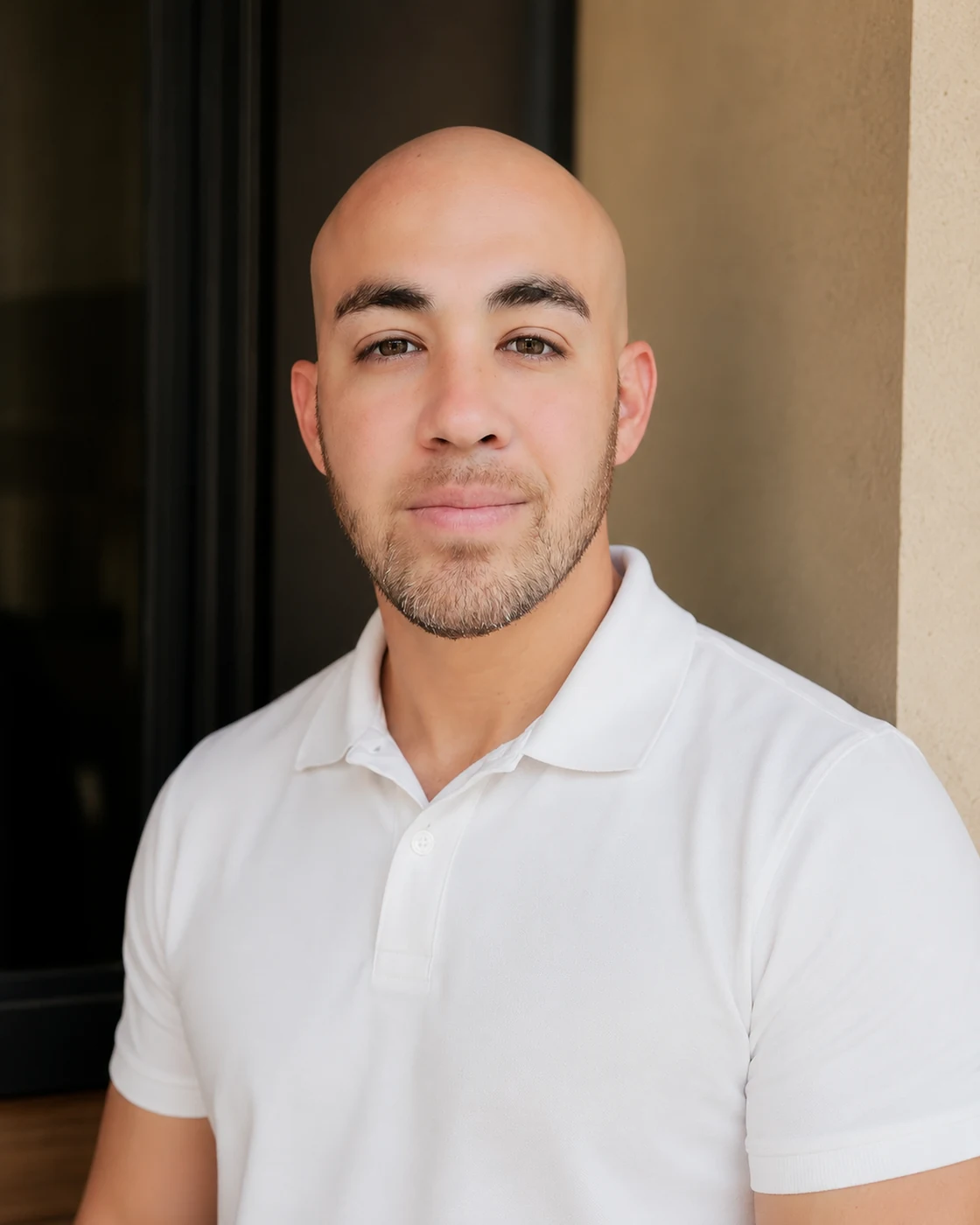
Dillon Dufford
Founder & Chief Steward
Martin Grove Development LLC
Dillon Dufford founded Martin Grove Development LLC to pursue a form of development rooted in responsibility for homes, people, places, and the futures shaped by today’s decisions.
Born and raised in Mississippi, Dillon is building Martin Grove as a North Mississippi company committed to patient preparation, thoughtful residential restoration, accessibility awareness, and long-term community cultivation.
Martin Grove is early in execution. Dillon does not present himself as an established developer with a completed property portfolio.
He presents himself as the person who has willingly accepted responsibility for preparing the company to begin well.
Faithful stewardship begins before the first property is acquired.
01 — Reason for Founding
A Company Formed Around What Property Requires
Dillon founded Martin Grove from the conviction that property development should involve more than acquisition, repair, and financial return.
A home may shape safety, rest, independence, stability, belonging, and the possibilities available to the people who live within it. A property may affect a neighborhood long after the original transaction has been forgotten.
Those realities create responsibility.
Martin Grove was formed to approach that responsibility with greater preparation, clearer standards, and a commitment to long-term care.
Dillon believes that development becomes more meaningful when decisions about property remain connected to human dignity and the character of the places in which the work occurs.
A property may be purchased in a moment. Its responsibilities may remain for generations.
02 — Meaning of Chief Stewardship
Authority Should Remain Connected to Accountability
Dillon serves publicly as Martin Grove’s Founder & Chief Steward.
The title reflects how he understands leadership.
A steward is not merely the person with the greatest authority. A steward is the person expected to accept responsibility visibly, protect what has been entrusted, make difficult decisions, preserve meaning, and remain answerable for the consequences.
The title does not imply that Dillon possesses every skill the company will require.
It establishes who is presently accountable for recognizing those needs, seeking qualified help, and refusing to hide uncertainty behind authority.
Present Responsibility For
- Purpose and direction
- Institutional preparation
- Financial restraint
- Public honesty
- Operating standards
- Relationship development
- Documentation and continuity
- Final company decisions
- The preservation of Martin Grove’s founding commitments
Leadership carries responsibility visibly.
03 — Preparation Before Property
The Work Began Before the First Property
Dillon chose to begin Martin Grove by building its foundation before pursuing an acquisition.
These records are not presented as substitutes for operating experience.
They exist so that experience, when it arrives, has a structure capable of preserving responsibility, identifying mistakes, and turning lessons into institutional memory.
Dillon’s role is not to guarantee that every decision will be correct.
It is to ensure that important decisions are not approached carelessly.
Not to impress. To prepare.
Preparation Has Included
- A governing Constitution
- A Steward’s Oath
- An institutional Lexicon
- Publishing and documentation standards
- Market-selection principles
- Property criteria
- Due-diligence processes
- Rehabilitation and rental-readiness frameworks
- Financial-readiness disciplines
- Lender and professional relationship preparation
- A public identity grounded in truthful claims
04 — Mississippi Rootedness
Rooted in the Place Where the Work Begins
Mississippi is not an abstract market to Dillon.
It is home.
Being born and raised in the state has shaped his understanding that places carry history, relationships, hardship, beauty, character, and possibility that cannot be understood through financial analysis alone.
Martin Grove begins in North Mississippi because Dillon believes responsible stewardship requires proximity to the work, attention to local conditions, and relationships developed through presence rather than distance.
The company’s initial research has centered on Tupelo and surrounding communities while preserving restraint about where and when property pursuit should begin.
Dillon does not believe that every available market deserves entry.
He believes a place should be approached with the humility to learn what already lives there.
Place is where stewardship becomes local.
05 — Personal Formation
The Mission Was Shaped by Lived Experience
Dillon’s path to founding Martin Grove was not formed through a single professional title or traditional development career.
His experiences across different kinds of work, periods of hardship, personal responsibility, and continued rebuilding shaped his belief that environments and systems matter.
People are often told to improve their lives while being asked to carry burdens inside environments that make healthy progress more difficult.
A home cannot solve every human struggle.
It can, however, either create unnecessary barriers or become part of a more stable foundation.
This understanding helped shape Martin Grove’s attention to accessibility, dignity, durable quality, and the belief that preparation should consider the person who may eventually arrive.
Dillon does not offer his personal history as proof of development expertise.
He offers it as part of the reason he takes the responsibility seriously.
06 — Faith and Responsibility
Courage Must Be Given Structure
Dillon’s faith informs his understanding of calling, service, humility, responsibility, and hope.
He does not believe faith removes the need for planning, verification, restraint, or professional guidance.
He believes it creates the courage to accept responsibility—and the obligation to carry that responsibility faithfully.
Within Martin Grove, faith is not used as a guarantee of success or as pressure upon people who hold different beliefs.
It is part of the Founder’s personal reason for continuing to prepare, serve, remain teachable, and preserve hope without confusing hope with evidence.
Faith provides courage. Stewardship provides structure.
07 — Teachable Leadership
A Founder Does Not Need to Pretend He Knows Everything
Dillon is preparing to lead Martin Grove through its first property and understands that real experience will reveal limitations that planning alone cannot expose.
His responsibility is not to appear complete.
It is to remain teachable.
Dillon believes inexperience should produce greater preparation—not embarrassment, concealment, or careless confidence.
Martin Grove will need contractors, lenders, attorneys, accountants, inspectors, accessibility-informed guidance, community knowledge, and many other forms of expertise.
Responsible leadership requires recognizing that stewardship is strengthened through the right relationships.
Humility remains teachable.
That Means
- Listening to qualified professionals
- Asking questions before making commitments
- Acknowledging uncertainty
- Preserving what is learned
- Correcting errors
- Refining standards
- Seeking evidence
- Knowing when responsibility exceeds present expertise
08 — Institutional Continuity
Martin Grove Must Become Stronger Than One Person’s Memory
Martin Grove is presently founder-led, but it is not being built as a collection of undocumented decisions dependent entirely upon Dillon’s memory or presence.
Dillon believes leadership should prepare meaning to survive transition.
Future stewards should not be required to reconstruct the company’s purpose from scattered files, informal stories, or assumptions.
The institution should preserve enough clarity for responsibility to continue.
Documentation preserves meaning. Continuity carries it forward.
Records Are Intended to Preserve
- Why decisions were made
- What responsibilities were accepted
- What evidence supported action
- What mistakes revealed
- What future stewards should inherit
- What must not be forgotten as the company grows
09 — Immediate Preparation
Building Toward the First Responsible Property
Dillon’s immediate responsibility is to prepare Martin Grove for its first residential acquisition in North Mississippi.
The goal is not simply to qualify for a transaction.
It is to ensure that Martin Grove can carry the property after the excitement of acquisition has passed.
Dillon does not believe closing should be treated as the final evidence of readiness.
The company must be prepared for repair, delay, maintenance, residents, uncertainty, and the obligations that continue after financing is secured.
Strengthening
- Personal and company financial capacity
- Credit and borrowing readiness
- Property-evaluation discipline
- Rehabilitation carrying ability
- Professional relationships
- Insurance and contractor readiness
- Permanent-financing understanding
- Public credibility
- Long-term operating systems
10 — Qualified Long-Term Vision
A Vision That Must Be Earned Through Stewardship
Dillon’s long-term vision for Martin Grove reaches beyond individual residential properties.
He hopes the company may one day help cultivate environments where restored homes, accessibility-conscious design, orchards, food-producing landscapes, walking paths, gathering places, hospitality, and community life can support one another.
That vision is not presented as Martin Grove’s current operating reality.
It is a direction the company may grow toward as experience, relationships, capital, knowledge, and capacity are earned.
Dillon believes the long vision should remain visible—but never be allowed to pressure the company into carrying more than its foundation can support.
Growth should strengthen stewardship. Scale should multiply only what the foundation can carry.
11 — A Statement from the Founder
From Dillon
I did not form Martin Grove because I believe I already know everything required to build it.
I formed it because I believe the work deserves someone willing to accept responsibility for learning, preparing, preserving what matters, and refusing to let urgency replace stewardship.
Martin Grove has not yet acquired its first property. I do not see that as a reason to manufacture the appearance of experience. I see it as a responsibility to build the foundation carefully before asking a home, a lender, a resident, a partner, or a community to trust what we are becoming.
My hope is that every future step will remain connected to respect: respect for the property, respect for financial reality, respect for the people affected by our decisions, and respect for the future stewards who may one day inherit this work.
We are early. We are learning. We are preparing.
And we intend to carry what comes next faithfully.
Dillon Dufford
Founder & Chief Steward
Martin Grove Development LLC
Continue
The Founder’s Responsibility Becomes Meaningful Through the Work
Martin Grove’s leadership posture is expressed through its preparation, approach to property, commitment to accessibility, and willingness to communicate its current stage honestly.
Visitors may continue by learning how Martin Grove approaches the work or by opening a thoughtful conversation.